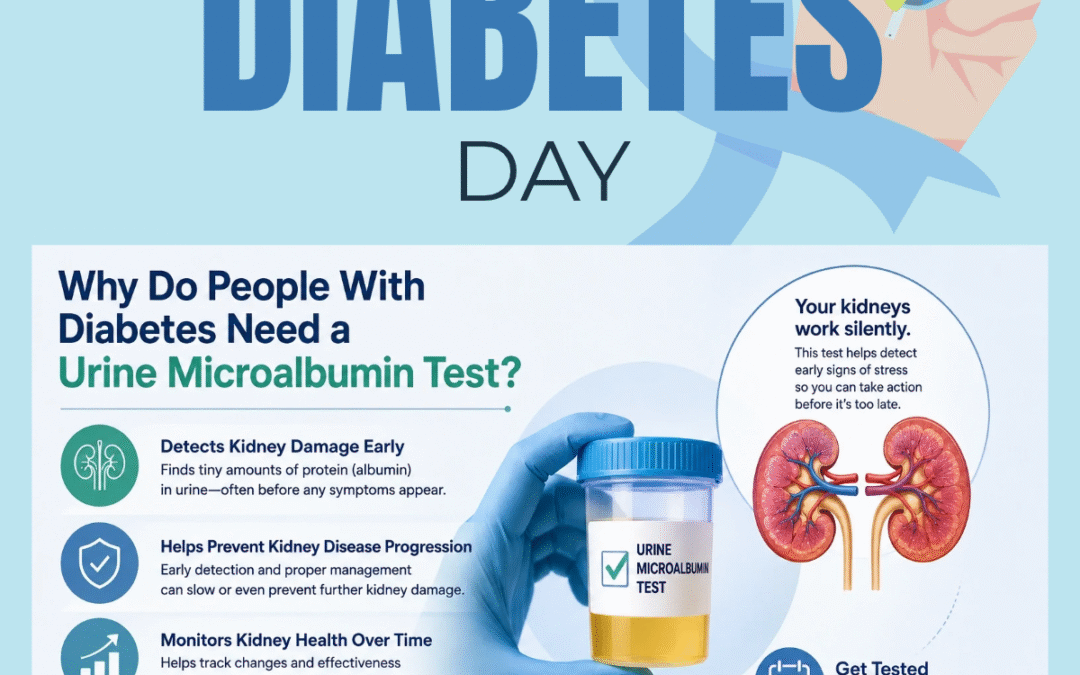
November 14 marks World Diabetes Day, an opportunity to raise awareness about diabetes, promote early detection, and encourage individuals to take an active role in managing their health.
Diabetes is a chronic condition that affects how the body regulates blood glucose (blood sugar). When left unmanaged, diabetes can lead to serious health complications, including heart disease, kidney disease, vision loss, nerve damage, and circulation problems. However, with proper care, education, and lifestyle management, individuals living with diabetes can lead healthy, active lives.
Understanding the Importance of Early Detection
One of the biggest challenges with diabetes is that symptoms may develop gradually, and some individuals may not experience noticeable symptoms at all. Common warning signs include:
- Increased thirst and frequent urination
- Unexplained weight loss
- Increased hunger
- Fatigue
- Blurred vision
- Slow-healing cuts or wounds
- Tingling or numbness in the hands and feet
Routine health screenings and regular visits with a healthcare provider are important for identifying diabetes and prediabetes early. Early intervention can help prevent or delay complications and provide individuals with the tools they need to protect their long-term health.
Know Your Numbers: Important Diabetes Screenings
Several tests can help healthcare providers identify diabetes, monitor blood sugar levels, and evaluate potential complications.
- A1C Test: Measures average blood glucose levels over approximately three months and helps identify prediabetes or diabetes.
- Blood Glucose Testing: Measures blood sugar levels at a specific point in time.
- Urine Microalbumin Test: Checks for small amounts of albumin (a type of protein) in the urine. Elevated levels may be an early sign of kidney damage, a potential complication of diabetes.
Regular monitoring and recommended screenings help healthcare providers develop an appropriate treatment plan and identify concerns before they become more serious.
Small Lifestyle Changes Can Make a Big Difference
Managing diabetes involves more than monitoring blood sugar. Everyday habits can play an important role in improving overall health and reducing the risk of complications.
Consider incorporating these healthy habits into your routine:
- Choose balanced meals: Focus on vegetables, lean proteins, whole grains, and portion awareness.
- Stay physically active: Regular movement, including walking, can help improve blood sugar control.
- Maintain a healthy weight: Even modest weight loss can improve blood sugar levels for individuals with prediabetes or type 2 diabetes.
- Take medications as prescribed: Work with your healthcare provider to find a treatment plan that meets your needs.
- Keep regular appointments: Routine checkups and screenings help monitor your health and identify changes early.
ONE Health Ohio Is Here to Help
At ONE Health Ohio, we believe that preventive care, education, and access to quality healthcare are essential to building healthier communities.
Our healthcare team works with patients to identify risk factors, provide recommended screenings, develop individualized treatment plans, and support ongoing diabetes management. Whether you have been diagnosed with diabetes, have prediabetes, or simply want to understand your risk, taking the first step toward better health starts with a conversation with your healthcare provider.
You do not have to navigate diabetes alone. Our team is here to help you take control of your health, one step at a time.
This National Diabetes Day, take a moment to know your numbers, schedule your screenings, and make your health a priority.
To schedule an appointment with ONE Health Ohio, call 877-722-3303 or visit www.onehealthohio.org.